contact@swiminternational.com.au

Dive into Luxury: Discover Some of The Most Spectacular Swimming Pools in the World

Dive into Luxury: Discover Some of The Most Spectacular Swimming Pools in the World

Swimming pools are not just for leisurely dips or a way to beat the summer heat. Some pools are architectural masterpieces, offering breath-taking views, luxurious amenities, and unparalleled experiences. From rooftop pools with stunning city skylines to infinity pools that seem to blend into the horizon, these swimming pools are truly awe-inspiring. In this blog post, we will explore the most spectacular swimming pools known in the world that are sure to make you want to dive in and experience the epitome of luxury. 

Marina Bay Sands, Singapore 

Marina Bay Sands in Singapore is known for its iconic rooftop infinity pool, which offers a panoramic view of the city’s skyline. Located on the 57th floor of this world-class hotel, the pool stretches 150 meters in length, making it the world’s largest rooftop infinity pool. Swimmers can enjoy unparalleled views of the Singapore skyline, including the famous Gardens by the Bay and the Marina Bay Sands SkyPark. This breathtaking pool is a true engineering marvel and a must-visit destination for any luxury travel enthusiast. 

The Hanging Gardens, Bali 

Nestled in the lush jungles of Bali, The Hanging Gardens is a luxury resort that features one of the most stunning swimming pools in the world. The split-level infinity pool is designed to mimic the shape of the terraced rice paddies that are iconic to Bali. The upper level of the pool features a stunning waterfall that cascades down to the lower level, creating a mesmerizing and serene atmosphere. Surrounded by the tropical beauty of the jungle, this pool offers a truly enchanting and immersive experience. 

The Library, Koh Samui, Thailand 

The Library, a boutique hotel located on the pristine Chaweng Beach in Koh Samui, Thailand, is famous for its blood-red swimming pool. This unique pool features a striking, red-tiled bottom, creating a visually stunning contrast against the azure blue waters of the Gulf of Thailand. The bold design of this pool has earned it international recognition and has become an Instagram-worthy spot for avid travellers and design enthusiasts alike. 

The Cambrian Hotel, Switzerland 

Nestled in the Swiss Alps, The Cambrian Hotel boasts a jaw-dropping infinity pool that offers panoramic views of the surrounding snow-capped mountains. This heated outdoor pool is open year-round, allowing guests to take a refreshing swim while enjoying the breath-taking alpine scenery. Surrounded by the natural beauty of the Swiss Alps, this pool is a perfect blend of relaxation and awe-inspiring views. 

The Neptune Pool, Hearst Castle, California, USA 

Located at the opulent Hearst Castle in California, the Neptune Pool is a historic and grandiose swimming pool that has been a symbol of luxury for decades. This Roman-inspired pool is adorned with marble statues, decorative tiles, and stunning mosaics, making it a true architectural masterpiece. The pool is surrounded by meticulously manicured gardens and offers panoramic views of the Pacific Ocean, providing a sense of opulence and grandeur. 

The Bondi Icebergs Pool, Sydney, Australia 

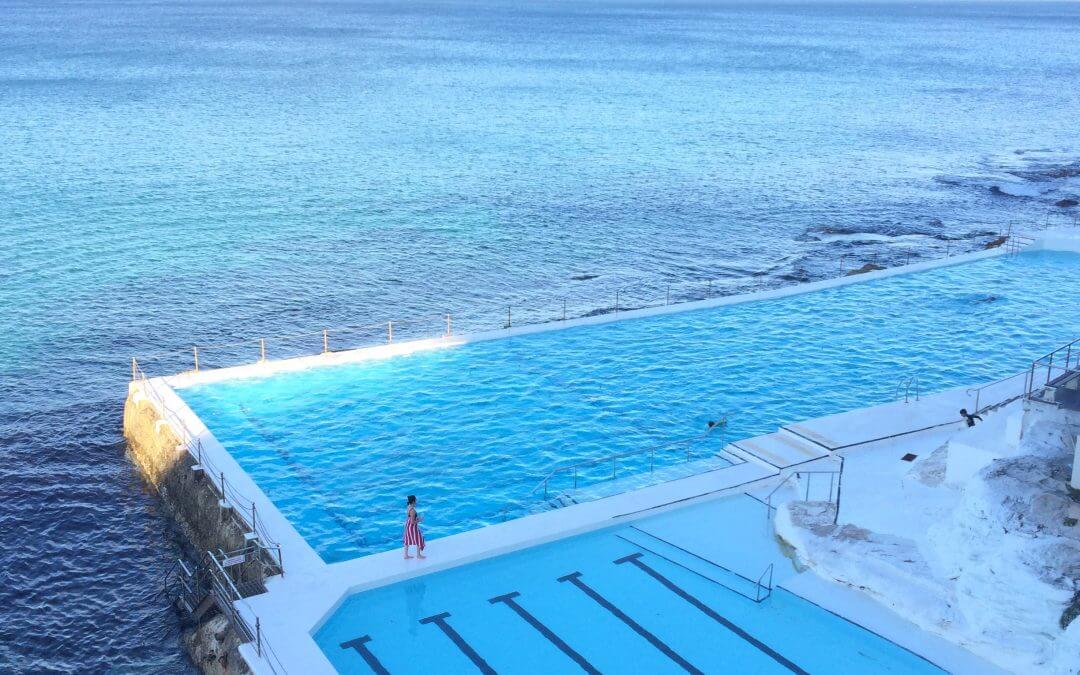
Perched on the rugged cliffs overlooking the iconic Bondi Beach in Sydney, Australia, the Bondi Icebergs Pool is a saltwater pool that offers a unique and thrilling swimming experience. This pool is carved into the cliffs and filled with seawater, providing swimmers with an exhilarating ocean swim without the waves. The pool is also famous for its stunning views of Bondi Beach and the Pacific Ocean, making it a popular spot for locals and tourists alike. 

These spectacular swimming pools are not just places to swim, but also architectural wonders that offer breath-taking views, luxurious amenities, and unforgettable experiences. Whether you’re a luxury traveller, design enthusiast, or simply someone who appreciates the beauty of exquisite pools, these destinations are a must-visit for a truly unique and luxurious experience. 

So, if you’re looking to take your swimming experience to the next level, consider adding these world-famous swimming pools to your travel bucket list. From rooftop infinity pools with stunning city views to jungle oasis pools nestled in lush landscapes, these pools offer a perfect blend of relaxation and awe-inspiring scenery. 

However, it’s important to note that while these pools are a sight to behold, always prioritize safety when swimming. Follow all posted rules and guidelines, and never swim alone or take unnecessary risks. Always be mindful of your surroundings and respect the local culture and environment. 

These spectacular swimming pools are not just places to swim, but also architectural wonders that offer breath-taking views, luxurious amenities, and unforgettable experiences. Whether you’re seeking a serene getaway or an adrenaline-pumping swim, these pools are sure to leave you with lasting memories of indulgence and luxury. So, pack your swimsuit, grab your sunglasses, and get ready to dive into the lap of luxury with these world-renowned swimming pools.

Happy swimming! 


10 Health Benefits of Swimming: Revitalise Your Body, Mind, and Spirit

10 Health Benefits of Swimming: Revitalise Your Body, Mind, and Spirit

Swimming is a versatile and enjoyable form of exercise with a wide range of benefits for your overall health and well-being.
Not only does it provide a full-body workout, it also offers a refreshing experience for your body, mind, and spirit.

Dive in to explore the many benefits of swimming!

1.  Full-Body Workout

Swimming engages almost all major muscle groups in your body. This provides a complete workout for your arms, legs, core, back, and shoulders. It’s a low-impact exercise, meaning it doesn’t put stress on your joints, making it ideal for people of all ages and fitness levels.

2.  Cardiovascular Health

Swimming is an excellent aerobic exercise. It gets your heart pumping, your blood flowing, your breathe deep, and therefore improves cardiovascular fitness. In fact, regular swimming can help lower your risk of heart disease, improve circulation, and increase your lung capacity, which is excellent for asthma suffers and sports people alike.

3.  Weight Management

Swimming is an effective way to burn calories and manage your weight. It can help you lose weight or maintain a healthy weight, as it is a high-energy activity that burns a significant number of calories without putting stress on your joints. The act of swimming uses many muscle groups and stretches the body, activities great to assist with weight management and fitness.

4.  Mental Well-being

Swimming can have a positive impact on your mental health. For example, swimming with repetitive and rhythmic movements can help reduce stress, anxiety, and depression. Additionally, the calming effect of being in the water and the release of endorphins can improve your mood and boost your overall well-being. The ability to relax and float in the water, letting it hold you, is a deeply relaxing and meditative experience.

5.  Flexibility and Balance

Swimming requires a wide range of movements, using both sides of your body, and can improve your flexibility and range of motion. It also challenges your balance and coordination as you move through the water, which helps to improve your overall body control and stability.

6.  Low-impact Exercise

Swimming is a low-impact exercise that is gentle on your joints. Therefore it is an ideal option for people with joint pain or conditions such as arthritis. It provides a safe and effective way to stay active and fit without putting stress on your joints.

7.  Rehabilitation and Injury Recovery

Swimming is often used as a form of rehabilitation for people recovering from injuries or surgeries. The buoyancy of water reduces the impact on injured joints or muscles, allowing for gentle and effective exercise to aid in the healing process.

8.  Improved Sleep

Regular swimming can improve the quality of your sleep. It helps to reduce stress, anxiety, and tension, therefore promoting a more restful night’s sleep and helping you wake up feeling refreshed and rejuvenated.

9.  Social Interaction

Swimming can be a social activity that allows you to connect with others, whether it’s through swimming lessons, aqua aerobics classes, or simply swimming with friends or family. Social interaction can have a positive impact on your mental well-being, providing opportunities for bonding, relaxation, and fun.

10.  Joy and Relaxation

Swimming is a form of recreation that can bring joy, relaxation, and a sense of freedom. For example, the sensation of gliding through the water, the weightlessness of being held up by the water, and the natural relaxation response triggered by being in the water can help reduce stress, promote relaxation, and rejuvenate your spirit.

As you can see, swimming offers a wide range of health benefits for your body, mind, and spirit. The magic of water, the freedom to float or glide. The ability to use the water as resistance for exercise and swimming strokes. It provides a full, balanced and healthy full-body workout. Swimming improves cardiovascular health, promotes mental well-being, and social interaction. A versatile sport and fun activity that can revitalize your overall well-being inside and out. So, put on your swimsuit, dive into the water, and experience the many benefits of swimming for yourself.

Happy Swimming!


The Art of Swimming: A Dive into the History and Techniques of Different Swimming Strokes

The Art of Swimming: A Dive into the History and Techniques of Different Swimming Strokes

Swimming is not only a popular recreational activity, but also a competitive sport that requires skill, technique and practice.

One of the key aspects of swimming is the variety of strokes that swimmers use to move through the water efficiently. In this blog post, we will delve into the history and techniques of different swimming strokes, from the traditional breaststroke to the modern butterfly stroke.

  • Breaststroke: A Stroke Steeped in Tradition

The breaststroke is one of the oldest known swimming strokes, with evidence of its existence dating back to ancient Egypt and Greece. It is often considered the most traditional and graceful of all the swimming strokes. In the breaststroke, swimmers lie face down in the water, bring their arms in front of their body, then pull them back towards their chest while lifting their head to take a breath. The legs perform a simultaneous kick called the “frog kick,” where the feet are brought towards the glutes and then extended outwards.

  • Backstroke: Embracing the Element of Backwards

As the name suggests, the backstroke is performed on the back, with the swimmer’s face facing upwards. It is believed to have originated in the early 20th century and was first introduced as a competitive stroke in 1900. In the backstroke, swimmers use a combination of arm movements and leg kicks to propel themselves through the water. The arms move in a continuous motion, alternating overhead, while the legs perform a flutter kick.

  • Freestyle: The Versatile and Popular Stroke

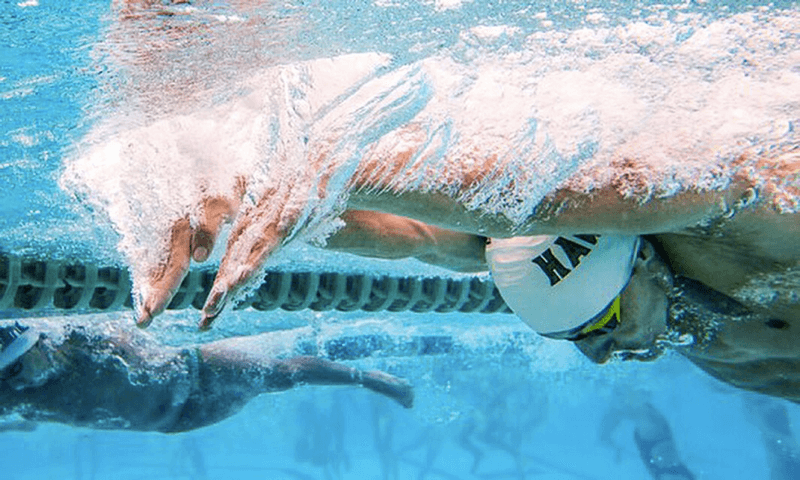
The freestyle, also known as front crawl, is the most used stroke in competitive swimming and is often synonymous with the term “swimming.” It allows swimmers to move quickly and efficiently through the water with a combination of arm strokes and leg kicks. The arm movements in freestyle involve an alternating overhead motion, while the legs perform a flutter kick. Swimmers can also use various breathing techniques, such as bilateral breathing (breathing on both sides) or unilateral breathing (breathing on one side), to maintain their pace and endurance.

  • Butterfly: The Dynamic and Challenging Stroke

The butterfly stroke, often referred to as “fly,” is known for its unique and challenging technique. It was first introduced as a separate stroke in competitive swimming in the 1930s and has since become a staple in the sport. In the butterfly stroke, swimmers perform a simultaneous arm pull with both arms, accompanied by a dolphin kick, where both legs move in an undulating motion like a dolphin’s tail. The butterfly requires a great deal of upper body strength and coordination, making it one of the most physically demanding strokes.

  • Sidestroke: A Stroke of Efficiency

The sidestroke is a less commonly used stroke in competitive swimming but is often favoured for its efficiency in open water swimming and lifesaving situations. In the sidestroke, swimmers lie on their side and perform a scissor kick with one leg while pulling with the opposite arm. The other arm remains extended along the body for stability. The sidestroke allows swimmers to conserve energy and maintain a steady pace, making it a practical choice for long-distance swimming or rescue missions.

swimming strokes have a rich history and varied techniques that have evolved over time. From the traditional breaststroke to the modern butterfly stroke, each stroke offers unique challenges and advantages. Whether you’re a recreational swimmer or a competitive athlete, mastering different swimming strokes can improve your efficiency, speed, and overall performance in the water. So, dive in, explore the art of swimming, and discover the joy of gliding through the water with grace and skill!

Looking for a great job? A career in Aquatics may be just what you are looking for!

Looking for a great job? A career in Aquatics may be just what you are looking for!

Learning to swim and water safety is necessary for every person everywhere.  It is a valuable skill that brings joy and helps saves lives – what more could you want in a career?

Giving swimming lessons and teaching the skill of swimming and water safety is one job that brings a smile to your face at the end of the day.  Knowing that you have given someone a life saving skill, taught them to be safe in and around water, and helped them develop swimming strokes so they too may enjoy swimming and water sports, is a very satisfying career choice.

To be a great swimming teacher you do not need to a degree, you do not even need to be a fantastic swimmer!  Being a great swimmer and being a great swimming teacher are not the same thing.  You need a willingness to learn and a love of water.  In fact, people who have done a course to become swimming teachers have been able to develop their own swimming skills and stroke development to become better swimmers and great swimming teachers, passing on their knowledge to others more easily as they understand better if a student is lacking confidence, has a fear of water, and are able to impart their knowledge more easily as they can really relate to the whole teaching and learning experience.

So if you’re thinking “but I am not a good swimmer” – that is okay.  Especially at the beginners’ level of swimming, you are teaching water safety first, movement and becoming familiar with water, teaching the student to become comfortable in the water, and helping them to develop basic strokes.  From there, you can advance your career to other speciality areas.  You can teach parents and babies, fearful adults, school age children, special populations, or competition swimming, just to name a few of the different kinds of swimming and water activity coaching that you can do.

There is no limit to the opportunities that you can create for yourself in the aquatics industry. You can undertake a range of swim teaching classes, or develop specialist skills in niche areas such as:

  • Baby and Infant learn to swim
  • Pre-schools/kindergarten swimming and water safety
  • Juniors learn to swim and stroke development
  • Schools programs teaching and coaching
  • Adults (from Learn to Swim through to Competition strokes)
  • Special needs students
  • Teaching to culturally and linguistically diverse populations
  • Water aerobics, yoga and fitness
  • Lifeguarding
  • Pool management and plant operation
  • Mentoring teacher trainees with Swim International.

Skilled teachers are highly valued by swimming schools, and parents and students around the world.  Swim teaching is a fantastic additional skill for TEFL Teachers and Dive instructors to gain extra income opportunities, as well as a starting place to build a long, healthy and rewarding career.

It is also a great opportunity for those who want to travel, offering a fantastic alternative job to the digital nomad, giving you the opportunity to meet people, share a wonderful skill and enjoy being in and around water wherever you may travel.

At Swim International we are always looking for qualified and experience swimming teachers and schools to help our trainees gain their work experience hours to complete their course, so there are always more opportunities available to our members.  We actively seek out job opportunities, offer an online program so you can easily run your own classes and business, and promote our members to the international communities.

Many people working in the aquatics industry have started out as volunteers, moving to casual or part time employment and then into full time or contract employment, as well as having all they need to start their own business as some have done in Thailand, Malaysia, Singapore, and others parts of the world.

So Dive in to an aquatics course today – you will love your job, and be part of an international network of swimming teachers and aquatics trainers, with access to training materials and class lessons, job opportunities and professional development. What are you waiting for?

Shortage of Swimming Teachers and Swimming Lessons since COVID-19

Shortage of Swimming Teachers and Swimming Lessons since COVID-19

There are reports from countries around the world that drowning incidents have increased as a result of the lack of swimming lessons and practice for children due to COVID-19 restrictions.

The United Kingdom has estimated up to a million children missed out on swimming lessons in 2020, and in Australia it is estimated that there is a need for thousands more swimming teachers.  Similar problems can be said to exist across the globe, and there is concern that children are at risk because of the lack of swimming lessons and skills.  The wait lists for swimming lessons is getting longer, and more swimming teachers are needed.

One of the leading causes of death for children between 1 and 4 years of age is drowning, and the World Health Organisation advises regular swimming lessons can help to reduce that risk.  However as a result of the pandemic, it has been more than a year since most children have had any sort of instruction in swimming or water safety.  Missing out on learning to swim brings increased potential risks of drowning and aquatic accidents.

Learning to swim and gaining knowledge of safety in, on and around water, is a gradual skill learnt through experience and repetition.  Such a big break in lessons and opportunities to learn and practice creates potential for hazards now and in the longer term.

Critical to the problem is when the weather is warmer and people head back to the pool or waterways.  While many pools and beaches are supervised by lifeguards, offering some degree of confidence, they cannot have eyes on every person all of the time and it is imperative that children and parents gain lifesaving water safety awareness skills.  A swimming program based on survival and safety skills is a way to help prevent water related accidents and drownings.  Structured swimming lessons will help to develop swimming strokes, and every child should have the opportunity to learn how to be safe in, on and around water.

Just as imperative as teaching children these skills, is helping parents to be aware of the dangers of water, and how to keep their children safe, not only at swimming pools, at the beach, or water parks, but also around the home.  There are many hazards there, not just the backyard pool, but water tanks, water filled buckets, dams on country properties, or rivers and waterways nearby, all hazards with potential risks to cause harm, or worse, drownings.

Even children who had regular lessons prior to the pandemic need to get back to lessons and be reminded of safety around water, as well as to reinforce their swimming skills.  Swimming is a learned skill through repetition and muscle memory, not having that regular practice will diminish their skills and put them at risk.  In fact parents who have been able to return to swim lessons have noticed that their children’s swimming skills have gone backwards, and the kids have become more hesitant as a result of the lack of practice and repetition that they need to build up their strength and skills.

Now more than ever there is a huge demand for good swimming teachers.  Are you ready to become a swimming teacher?  Whether you choose to work for yourself or be employed by a school, swimming teachers are needed, and this is your opportunity to learn to teach this lifesaving and much needed skill.