Swimming is a popular recreational activity, as well as an important life skill that every child should learn. According to the World Health Organisation (WHO), drowning is the leading cause of unintentional injury-related deaths among children. These alarming statistics highlight the importance of swimming lessons and water safety awareness in, on and around water.
In addition to the many health benefits of swimming, swimming is crucial for water safety, and should be a part of every child’s education. Here are just a few of the many life long benefits of learning to swim and be safe around water:
Develop Water Confidence in Babies and Children
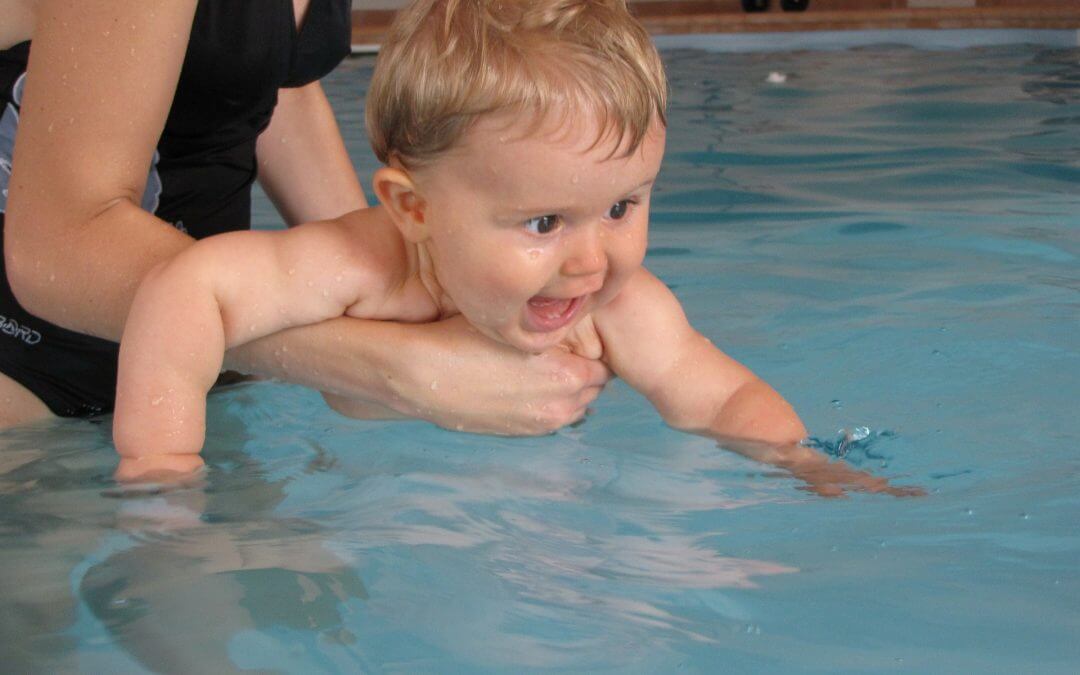
Swimming helps to develop water confidence and familiarity from an early age. Babies as young as six months can begin water familiarisation classes, where they can learn to feel comfortable and safe in the water. These classes typically focus on gentle movements, songs, and play, to create a positive experience for babies and introduce them to the basics of being familiar with water and safety. As children grow older, swimming lessons progress with them, to more age advanced instruction on beginner swimming skills such as floating, kicking, and arm movements. Learning these skills at an early age can help babies and children develop muscle strength, coordination, and balance, essential for their physical development. Swim lessons also promote a healthy appetite and good sleep – a bonus for parents trying to get the little ones to have their naps.
Swimming lessons provide important safety skills
Children who learn to swim at a young age are more likely to have increased water awareness. They learn essential water safety rules, such as never swimming alone, always swimming in designated areas, and understanding the importance of lifeguards. Swimming lessons can teach babies and toddlers to get to safety, climb out of a pool, to roll over and float. As they grow, more advanced skills that help develop their strength coordination and swimming ability. Students are taught how to safely enter and exit the water, how to use floatation devices, and how to recognize and respond to dangerous situations in the water. These skills are crucial for helping to prevent drowning incidents and ensuring that children can enjoy water activities safely.
Swimming is an excellent form of exercise
Swimming promotes overall health and well-being for children and adults alike. Regular swimming can improve cardiovascular fitness, muscular strength, and flexibility. It is a low-impact activity that is easy on the joints, making it suitable for children of all ages, including those with physical limitations. Swimming also helps to develop lung capacity and encourages proper breathing techniques, which are beneficial for respiratory health. It is also a great way to promote mental well-being and relieve stress, providing a fun and relaxing way for children to be physically active and socialise with their peers. This assists the child in building confidence and improving self-esteem, as they learn new skills and gain a sense of accomplishment in the water.
Bond with the kids and create positive memories
Another significant benefit of swimming lessons for babies and children, especially with their parents, is the opportunity to bond and create lasting memories. Swimming can be a fun and enjoyable activity for families to do together, whether it’s playing in the water, practicing new swimming skills, or simply splashing around. It provides an opportunity for parents to connect with their children, promote positive parent-child interactions, and create a strong foundation for a lifelong love of swimming and water activities.
Water Safty and First Aid
Parents should be knowledgeable about safety measures in and around water. This includes understanding the importance of constant supervision of children while they are in or near the water. Parents should never leave their child unattended around water, even if the child knows how to swim. Drowning can happen quickly and silently, and children can easily get into dangerous situations in or near the water, even in familiar surroundings. It is crucial for parents to be vigilant and actively supervise their children at all times, whether it’s in a backyard pool, a community pool, or at the beach.
It is equally important for parents to learn CPR and first aid. CPR is a critical life-saving skill that can significantly increase the chances of survival in case of a drowning or near-drowning incident. Parents who are trained in CPR can act quickly and confidently in an emergency situation and provide vital chest compressions and rescue breaths to keep their child’s heart and lungs functioning until medical help arrives. CPR training typically includes hands-on practice with mannequins and instruction on how to recognize the signs of cardiac arrest, perform CPR on infants, children, and adults, as well as how to use an automated external defibrillator (AED) if available.
Another safety requirement is that parents should ensure that their pool or swimming area is properly secured with appropriate barriers, such as fences, gates, and latched doors, to prevent unsupervised access to the water. Pool covers and alarms can also provide an added layer of protection. It is important to establish and enforce strict rules around the pool, such as no running, no diving in shallow water, and no swimming without adult supervision. Educating children about water safety rules and consistently enforcing them can help prevent accidents and establish safe behaviours around water.
There are many hazards to be aware of in and around water. This includes being knowledgeable about the depth of the water, the presence of underwater objects, and the strength of currents or tides in natural bodies of water such as oceans, lakes, and rivers. Understanding rip currents, for example, and teaching children how to identify and respond to them can be lifesaving in ocean swimming situations. Parents should also ensure that their children wear appropriate flotation devices, such as life jackets, when engaging in water activities, especially if they are not strong swimmers.
Swimming lessons and water safety training are crucial for babies, children, and parents alike. Learning to swim at an early age not only promotes physical development but also instils water confidence, safety skills, and overall well-being.
Check with your local swim school about lessons for babies, toddlers and parents to learn swimming and water safety from 6 months of age upward. Swimming lessons and water familiarisation is a life skill and an activity that can be enjoyed for the rest of their lives.
Happy Swimming!